OCONUS TDY Travel – Everything You Need to Know About Overseas Assignments
Traveling outside the continental United States for TDY introduces complexities beyond domestic travel. From passport requirements to foreign per diem rates, understanding these additional considerations prepares you for successful overseas assignments.

Passport and Visa Requirements
OCONUS travel typically requires a passport. Military members often have official no-fee passports issued for government travel, distinct from personal tourist passports. Civilians may need official passports depending on the destination and purpose. Begin the passport process months before anticipated travel, as processing times vary.
Visa requirements depend on your destination country and the nature of your visit. Some countries allow visa-free entry for official travel while requiring visas for tourism. Others require visas regardless of purpose. Your travel office or foreign clearance guide provides country-specific requirements.
Country clearance is often required for OCONUS TDY. This process, managed through the Aircraft and Personnel Automated Clearance System for many locations, notifies the destination country of your visit and ensures proper coordination. Without country clearance, your travel may be denied at entry.
Foreign Per Diem Rates
OCONUS per diem rates are established by the State Department and often significantly exceed CONUS rates. These higher rates reflect the actual cost of lodging and meals in foreign locations. However, the rates also fluctuate with currency exchange rates, so the dollar amount you receive may change between authorization and voucher filing.
Per diem localities overseas are often more specific than domestic locations. A single country may have dozens of different per diem rates for different cities. Ensure your authorization captures the correct locality for where you will actually stay.
Currency and Financial Considerations
Exchanging currency before travel provides convenience upon arrival. Your Government Travel Charge Card works internationally, but some vendors prefer or require local currency. Research your destination’s payment preferences before departing.
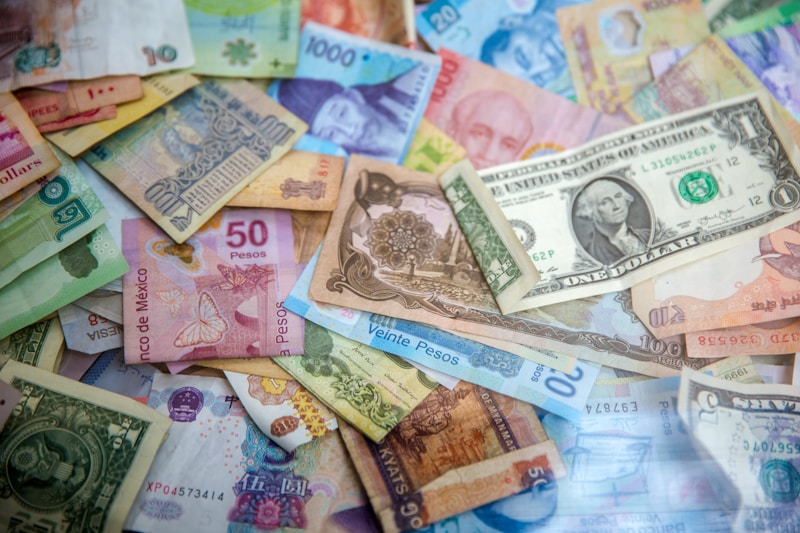
ATM withdrawals in foreign countries often incur fees from both your bank and the local ATM operator. Some military-focused banks reimburse these fees, making them excellent options for frequent international travelers. Notify your bank of travel plans to prevent fraud holds on your accounts.
When filing your voucher, expense amounts convert to dollars using established exchange rates. Keep receipts in local currency and let the system handle conversions rather than attempting to convert amounts yourself.
Health and Safety Preparation
Medical preparation for OCONUS travel may include vaccinations, malaria prophylaxis, or other health measures depending on your destination. The Centers for Disease Control provides country-specific health recommendations. Some vaccinations require series of shots over weeks or months, so begin this process early.
Review State Department travel advisories for your destination. Security briefings may be required before traveling to certain locations. Your security office provides threat information and safety guidance specific to your destination and mission.
Register with the Smart Traveler Enrollment Program if your agency requires it. This registration helps the embassy locate you in emergencies and provides automated updates about conditions in your destination country.
Communication and Connectivity
International phone plans prevent expensive roaming charges. Contact your carrier about temporary international plans before departing. Some travelers prefer purchasing local SIM cards upon arrival for better rates on calls and data.
Internet availability varies dramatically by location. Major cities usually have reliable connectivity, while remote locations may have limited or no internet access. Download essential documents, maps, and entertainment before departing if connectivity is uncertain.
Cultural and Professional Considerations
Business customs vary significantly across cultures. Research appropriate dress, meeting etiquette, and communication styles for your destination. What seems normal in American workplaces may be inappropriate or offensive elsewhere. Demonstrating cultural awareness strengthens professional relationships and mission success.
Time zone differences affect communication with your home station. Plan your schedule accounting for the time difference, identifying windows when real-time communication is feasible and establishing expectations for response times on non-urgent matters.
Return Processing
OCONUS voucher filing follows the same timeline as domestic travel but often involves additional documentation. Currency conversion receipts, foreign lodging documents in other languages, and unique expense categories may require extra attention during voucher preparation.
Some OCONUS locations qualify for rest stops on return travel to recover from long flights and time zone changes. If authorized, these stops include per diem and lodging at the rest stop location. Check your authorization for this entitlement.
International TDY experience enhances your professional value and expands your perspective. Proper preparation transforms potential challenges into manageable details, allowing you to focus on your mission abroad.


Leave a Reply