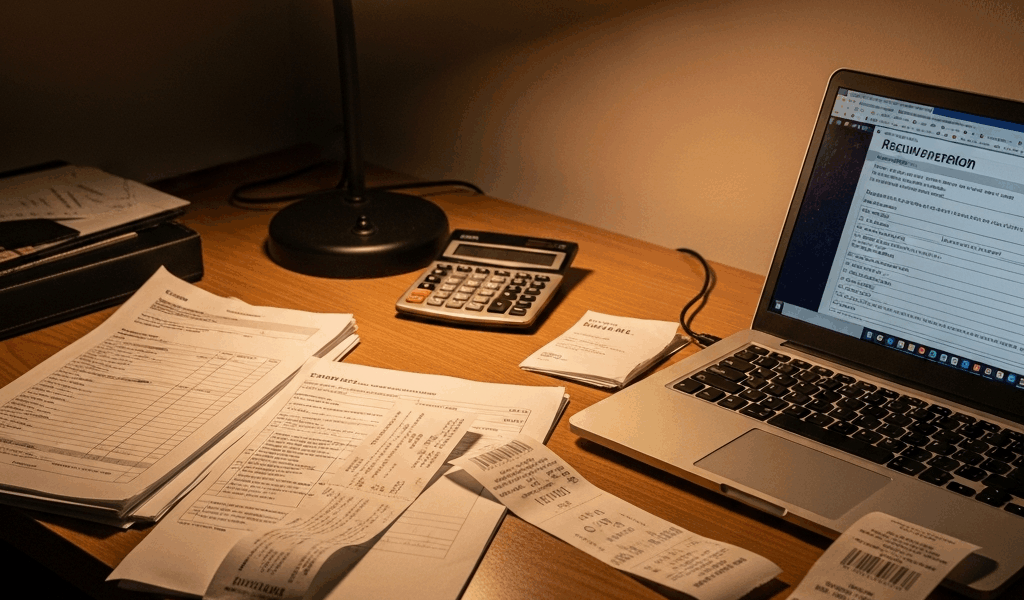
Why You Might Be Traveling TDY Without a GTC
TDY travel has gotten complicated with all the conflicting guidance flying around — especially when your Government Travel Card is nowhere in sight. You’ve got orders. You leave in two weeks. And nobody’s explaining what that actually means for your personal bank account.
This happens constantly, honestly. New service members ship out before their GTC application even clears the system. Some people had the card suspended over a missed payment or a delinquency flag that felt like it came out of nowhere. Others are on their very first temporary duty assignment and the card just hasn’t shown up in the mail yet. The military doesn’t pause TDY assignments because your plastic isn’t ready. So you’re left scrambling.
But here’s the thing — traveling without a GTC is inconvenient, not impossible. The reimbursement process works exactly the same way. The government doesn’t penalize you for paying out of pocket. You use your personal funds, keep your receipts, file a voucher, and money hits your bank account. That’s the skeleton of it. Most people don’t know the details because the information is either buried in policy documents or written like it came out of a committee meeting in 1987.
So, without further ado, let’s dive in.
Request a Travel Advance Before You Leave
Probably should have opened with this section, honestly. A travel advance is the single most important step — and most people skip it entirely because nobody told them it exists.
But what is a travel advance? In essence, it’s cash or a direct transfer the government gives you before departure so you’re not fronting everything yourself. But it’s much more than that. It’s the difference between a manageable TDY and putting $2,400 on a personal credit card you’ll be paying off for three months.
The whole process lives inside DTS — the Defense Travel System, the same portal you’ll use later to file your reimbursement voucher. Log in now. Not three days before you leave. Navigate to your authorization and look for the non-GTC advance request option. The system typically lets you request up to 80 percent of your estimated out-of-pocket expenses.
Timeline is everything here. Submit your request at least two weeks before your TDY begins. Finance offices process these in batches, and they need runway. I learned this the hard way on a TDY to San Antonio — submitted my advance request four days out, it didn’t clear, and I ended up maxing out a Visa I’d been keeping as an emergency card. Don’t make my mistake. Two weeks minimum. Treat it as non-negotiable.
When you’re calculating your estimate, stick to what the government actually reimburses. Lodging — obviously. Meals at the per diem rate for your duty location, which is fixed regardless of what you actually spend. Ground transportation like rental cars or rideshares. Incidentals: baggage fees, parking, that kind of thing. The government publishes per diem rates by location, so look yours up before you submit. Washington D.C. might run $279 a night for lodging. A smaller post in Kansas might be $110. The advance formula uses those real numbers, not rough guesses. That distinction matters when you’re requesting funds.
The advance hits your personal bank account or arrives as a check depending on what your finance office offers. Either way, you’re working with legitimate government funds instead of draining your own savings to cover a work trip.
What Expenses You Can Pay Out of Pocket and Get Back
Even with an advance, you’ll end up paying for things personally. Maybe the advance only partially covered your costs. Maybe an unexpected expense came up. Here’s what the government will reimburse, dollar for dollar — at least if you document it correctly.
- Lodging — full amount, with a folio showing the nightly rate breakdown
- Meals — up to the per diem rate, documented with receipts
- Ground transportation — taxis, Uber, Lyft, rental cars, parking, tolls
- Baggage fees and airline ancillary charges
- Business center charges or phone calls required for the mission
- Incidentals within reason — laundry on a three-week TDY, for example
One detail that catches people off guard: lodging always requires a receipt. Not sometimes. Always. A hotel folio showing the itemized room rate is non-negotiable — without it, that night doesn’t get reimbursed, full stop. Meals under $75 don’t always require itemized receipts depending on your branch, but you still need documentation showing the amount and the date. Keep everything. A folder of receipts — physical or digital — is your insurance policy against a rejected voucher six weeks later.
Renting a car? Check your orders before you book anything. Some commands require advance approval for rentals above a certain daily rate or with specific companies. I’m apparently an Enterprise person, and Enterprise works for me while Hertz never seems to have the class of vehicle my orders authorized. Book what matches your authorization — not a premium sedan when your orders say mid-size. That mismatch alone can delay your reimbursement for weeks.
The thing most people get wrong psychologically: the government reimburses the exact same amount whether you used a GTC or paid with your personal Mastercard. No penalty. No reduced rate. No hidden cost for not having the official card. Same number, same process, same timeline. That matters because a surprising number of service members assume they’re absorbing some kind of financial hit — and they’re not.
How to File Your Voucher When You Paid Out of Pocket
You’re back. TDY is done. Now comes the part that actually gets you paid.
When you build the voucher in DTS, the system asks how each expense was paid. This is where most reimbursement errors happen — and it’s a simple field. You’ll see options including “Government Travel Card,” “Personal Funds,” “Advance,” and “Other.” For anything you paid with your own card or cash, select “Personal Funds.” That single selection tells the finance system to send your reimbursement directly to your personal bank account instead of back to a GTC that doesn’t exist or is currently suspended. Miss that field and your voucher gets kicked back to corrections. That’s two weeks of waiting you didn’t need.
Attach receipts to each line item. Most finance offices now accept PDFs or phone photos — just make sure the image is legible. The receipt needs to show the vendor name, the date, the amount, and what was purchased. For hotels, that means the folio with room rate itemized. For meals, the restaurant receipt showing the transaction total. For rental cars, the agreement showing the daily rate and final charges.
Go through the payment method field on every single expense before you hit submit. Every one. It’s tedious. A two-minute check now saves you two weeks of corrections later. That math is pretty obvious when you look at it that way.
File early. Most commands give you a 30-day window after you return. Don’t use all 30 days. File within 10. Finance offices process in batches — early submissions get into earlier batches. That’s how you get paid in eight days instead of three weeks.
How to Get Your GTC Fixed Before the Next TDY
Suspended card? Call your Agency Program Coordinator — the APC at your finance office — not Citibank directly. The APC handles the military-side account management. They can tell you exactly what triggered the suspension and exactly what clears it. Most suspensions come off faster than people expect once the balance is resolved or the triggering issue is addressed.
Ask specifically whether reinstatement is possible before your next TDY. Many commands can flip the account status within a few business days once the financial issue is squared away. That’s what makes the APC so valuable to us service members navigating this stuff — they have access to the actual account flags, not just the general customer service script.
You’re going to be fine. This is fixable, it’s common, and now you know the steps.



Leave a Reply