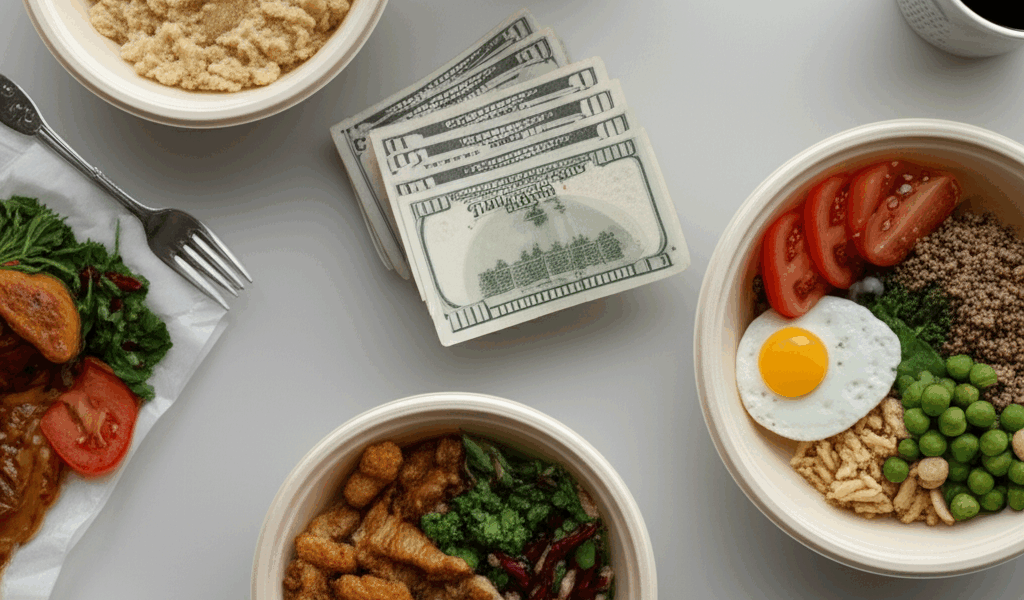
M&IE per diem has gotten complicated with all the flat-rate vs. actual expense distinctions, provided meal deduction percentages, and first-and-last-day reduction rules flying around. As someone who estimated provided-meal deductions by feel on early TDY travel rather than looking up the exact percentages — and had an approver catch it and return the voucher for correction — I learned exactly how M&IE is calculated and where the errors show up. Today I will share it all with you.

M&IE as a Daily Flat Rate
Meals and Incidental Expenses per diem is paid as a flat daily amount regardless of what you actually spend on meals. If the M&IE rate for your TDY location is $74/day, you receive $74 on days when you spend $85 on meals and also on days when you spend $30. The flat-rate nature of M&IE means you’re responsible for your own food budget within the allocation, and you keep whatever you don’t spend.
The JTR doesn’t require meal receipts as a condition of M&IE reimbursement precisely because M&IE is a per diem (per day) amount, not actual expense reimbursement. You receive it for being at the TDY location, not for proving you bought food.
When Actual Meal Expenses Apply Instead
Some TDY situations involve actual expense meals rather than M&IE — usually when the government is directly billing meals or when a conference registration includes all meals. In these cases, the traveler isn’t paid M&IE for the covered meals. The critical rule: you cannot receive both M&IE and government-provided actual meals for the same meal period. That’s what makes the provided-meal deduction requirement endearing to auditors reviewing vouchers — the rule is simple, the violations are obvious, and the consequences for repeated errors escalate quickly.
The Per Diem Breakout and Deduction Calculations
When a meal is provided, the deduction is a specific percentage of the daily M&IE rate: 26% for breakfast, 31% for lunch, 23% for dinner, and 20% for incidentals. These percentages are fixed regardless of what the meal was actually worth. I’m apparently someone who estimated these deductions by feel on early TDY travel — the difference between my estimates and the correct deductions was small on any given day, but when the approver caught it and returned the voucher for correction, the documentation delay cost more than the dollar amount of the error.
Incidentals
Incidentals — the $5/day component of M&IE — cover tips, fees, and minor expenses not separately reimbursable. They’re included in the M&IE total and don’t require receipts or itemization. For extended TDY, the incidentals component is reduced along with the rest of M&IE after the 30-day threshold.
Maximizing What You Keep From M&IE
Probably should have led with this framing, honestly: M&IE is a reimbursement, not a budget. If you spend less than the daily M&IE rate, you keep the difference as personal income — it’s one of the legitimate ways TDY travel can leave you ahead financially. Shopping grocery stores instead of restaurants, using hotel breakfasts when available at no charge without deduction requirement, and choosing affordable lunch options are all legal and routine ways experienced TDY travelers manage their meal costs below the M&IE ceiling.

Leave a Reply